



On this page
The floor and the ceiling
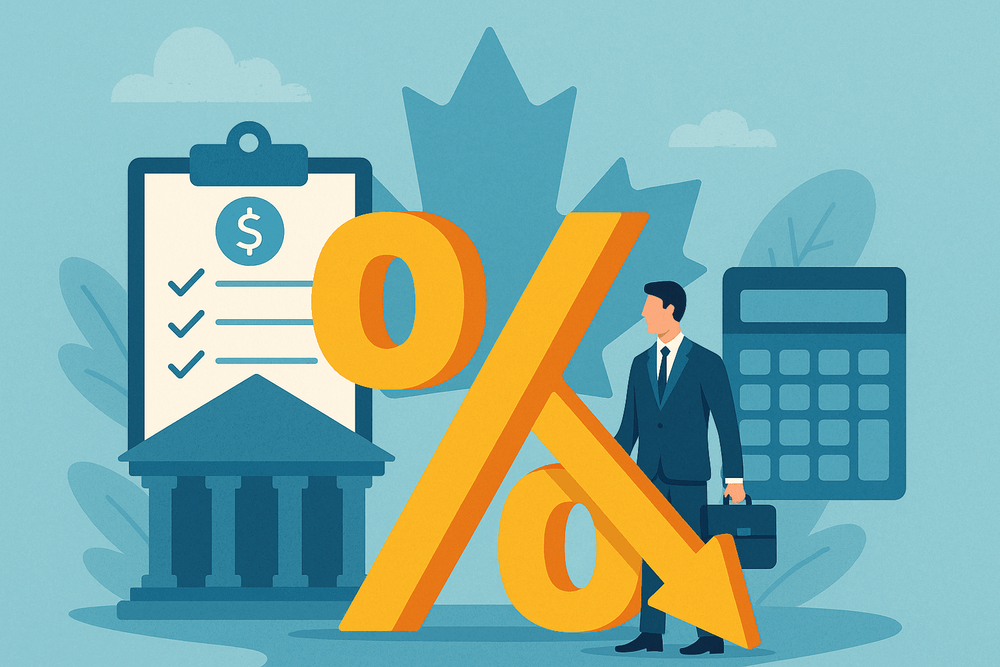
Two numbers bracket every personal loan rate in Canada. At the bottom, lenders borrow at rates tied to the Bank of Canada's policy rate, so when it moves, their floor moves with it. At the top, the Criminal Code caps the cost of credit at 35 percent APR, so no legal lender charges more than that.
Between the two, the personal loans market prices each borrower individually. A bank customer with strong credit lands near the floor. A first-time borrower with a thin file lands nearer the ceiling. Everyone else is somewhere in between, and the factors that place you are not mysterious.
The Bank of Canada's policy rate is 2.25 percent as of July 15, 2026. Prime rates at the major banks sit a little above it, and most variable-rate borrowing prices off prime.
What lenders price on
- Your credit band. The single biggest input. It tells the lender how borrowers like you have repaid before.
- Your income and how much of it is spoken for. Documented, stable income moves the rate down; a high debt-to-income ratio moves it up, because the new payment competes with the old ones.
- The loan's size and term. Larger loans often carry lower rates because fixed costs spread across more dollars; longer terms carry higher rates because more can go wrong.
- Secured or unsecured. Collateral lowers the lender's loss if you default, so secured loans price lower.
- The lender's own cost of money. Banks fund cheaply and price low for the borrowers they want. Online lenders fund at higher cost and price for the borrowers banks decline.
What each credit band actually borrows
We cannot show you what each band pays, because rates are set per lender and per file. We can show you what each band asks for. Across Smarter Loans personal loan applications from August 2025 to July 2026, requested amounts rise with self-reported credit band:
View as table
| great | $4,448 |
| good | $3,285 |
| fair | $2,556 |
Source: Smarter Loans personal loan applications, August 2025 to July 2026.
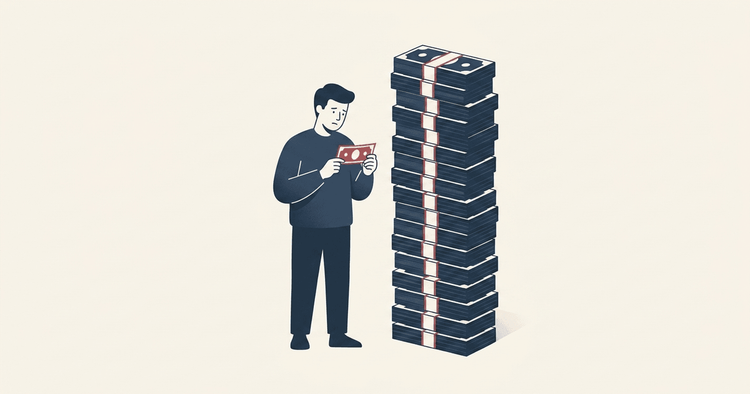
Applicants reporting great credit asked for $4,448 on average, nearly double the $2,556 requested at fair. That gap is not appetite. Better credit opens larger loans at lower rates, so borrowers with strong files use them for bigger purposes; borrowers with fair credit borrow smaller amounts for shorter-term needs at higher rates. Knowing which group you are in tells you what a realistic offer looks like before you apply. Source: Smarter Loans personal loan applications, August 2025 to July 2026.
How to get a lower rate
- Cut your card utilisation before you apply. The share of your card limits in use is the fastest-moving part of your score and the cheapest to fix. Paying a balance down from 80 percent of the limit to 30 can move your band within one reporting cycle.
- Fix errors on your report. Pull your file from Equifax and TransUnion. Checking it is a soft inquiry with no effect, and a wrong late payment on file costs more than any other single item.
- Shorten the term if the payment allows. A 24-month loan usually prices below a 60-month loan for the same borrower, and costs far less in total interest.
- Offer security if you have it. A vehicle or savings can move an unsecured price to a secured one.
- Apply once, to several lenders. A single-application platform shows you where your profile prices across the market without a hard inquiry per lender. Rate shopping only works if the shopping does not itself lower your score.
To see where your own profile prices today, the personal loans page compares every lender we list.
Frequently asked questions
What is a good interest rate on a personal loan in Canada?
It depends on the band. Strong credit at a bank or credit union sees single digits to low teens. Fair credit online usually sees the twenties. Poor credit sees the high twenties to the 35 percent cap. A good rate is one near the bottom of your own band's range, which you only find by comparing.
Does the Bank of Canada rate affect personal loan rates?
Yes, but unevenly. Variable-rate products move almost immediately. Fixed-rate personal loans move when lenders reprice new offers, which lags by weeks. Your existing fixed-rate loan does not move at all.
Can I negotiate a personal loan rate?
With a bank or credit union, sometimes, especially with a competing written offer in hand. With online lenders, rarely; the price is set by the file. The better lever is the file itself: utilisation, errors, and term.
Sources
- Bank of Canada, policy interest rate, for the current policy rate.
- Canada Gazette, SOR/2024-114, for the 35 percent cap.
- Smarter Loans personal loan applications, August 2025 to July 2026, for the credit-band figures. Band is self-reported at application.
Related reading: how to judge a loan company in Canada and what credit score you need for a personal loan.

 Written by:
The Smarter Loans Editorial Team produces in-depth, original content to help Canadians navigate borrowing, credit, and personal finance with confidence.